Home › Asphalt Milling and Reclamation
Prepare your pavement for a fresh surface with asphalt milling in Garland, TX. We remove worn layers, correct drainage, and recycle material for new asphalt. Our reclamation services stabilize bases and reduce haul-off costs while creating a solid foundation for overlays and new construction.
Precision Asphalt Garland provides professional asphalt milling throughout Garland, TX, Texas and the surrounding area. Our licensed, insured crew delivers safe, clean, on-time work with a free estimate before anything begins. Call (469) 949-1928 or request your free quote.
Asphalt Milling in Garland, TX: What It Is and When You Need It
Asphalt milling is the process of removing a controlled depth of existing asphalt so a new surface can be installed without tearing out the entire pavement. Precision Asphalt Garland uses milling when your parking lot or roadway has cracks, rutting, drainage issues, or surface damage, but the base underneath is still solid.
For most Garland properties, milling is the right call when the asphalt is structurally sound but looks rough or holds water. If you see standing water after a rain, long shallow ruts where vehicles track in and out, or layers of old overlays at transitions like garage entries, milling can correct those problems while keeping costs below full-depth replacement.
In Garland, TX, our hot summers and occasional ice events cause the upper layer of asphalt to age faster than the base. Milling lets us strip off that sun-baked, oxidized surface and install a fresh wearing course with better texture and traction, without paying to remove material that is still performing below the surface.
How Precision Asphalt Garland Performs Asphalt Milling Step by Step
When Precision Asphalt Garland starts an asphalt milling project, we begin with a site walk to identify problem areas and measure existing pavement thickness. We look for weak spots, soft edges, and existing drainage patterns so we know how much to remove and where to adjust slopes.
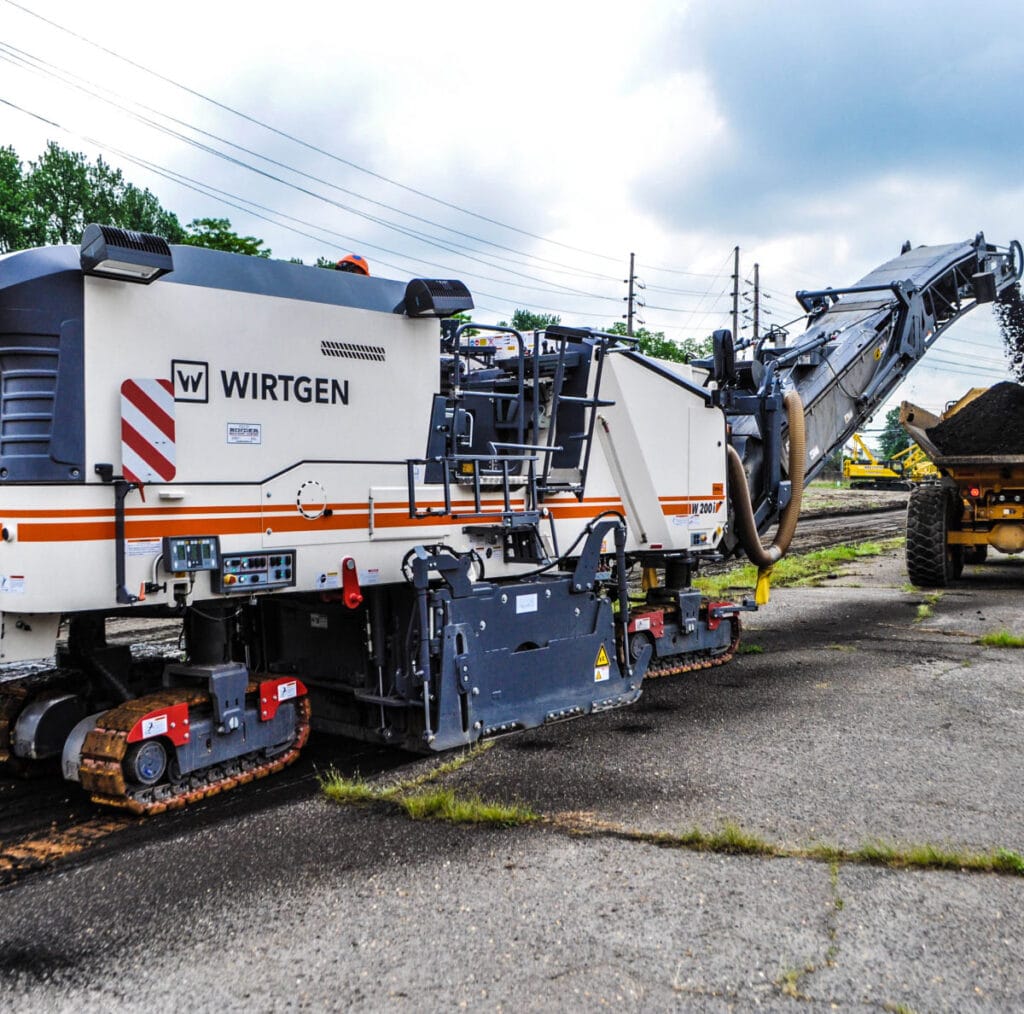
Next, we bring in a cold milling machine that grinds the asphalt with rotating carbide teeth. For most commercial lots, we mill between 1 and 3 inches, depending on how much damage is in the top layer and how thick the pavement is overall. On city streets and drive lanes with heavy truck traffic, we may adjust the depth so we do not weaken the structure below.
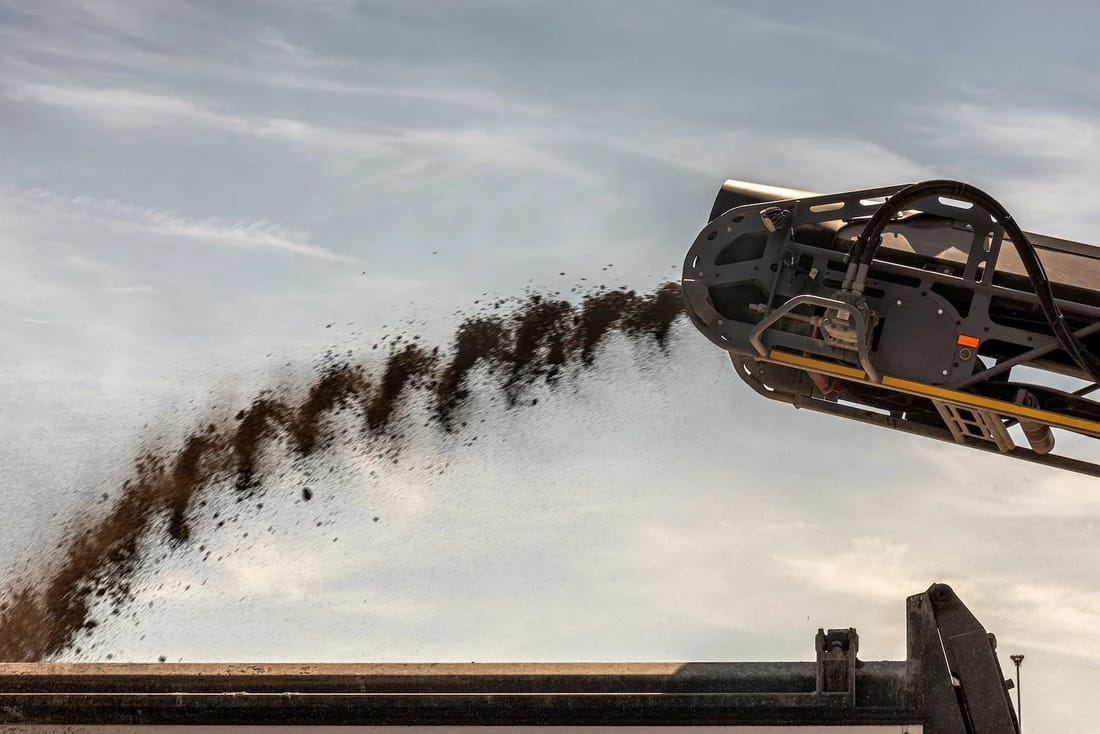
As the machine mills, a conveyor loads the reclaimed asphalt pavement (RAP) directly into waiting trucks. This keeps the site cleaner and controls dust better than letting material fall to the ground. Our crew constantly checks milling depth with grade controls and spot measurements so we hit the planned profile and avoid surprise thin spots.
After milling, we sweep the surface thoroughly using mechanical sweepers and blowers. A clean milled surface is important so the new asphalt layer bonds tightly. We also inspect for any exposed soft base or cracks that run deeper than expected. If we find problem areas, we cut and repair those sections before paving so you do not end up with new asphalt laid over a weak spot.
Asphalt Reclamation: When We Rebuild From the Existing Pavement
Asphalt reclamation goes further than milling. Instead of only shaving the surface, we grind the existing asphalt together with some of the base material underneath to create a new stabilized foundation in place. Precision Asphalt Garland recommends full-depth reclamation when the pavement is badly alligatored, has deep structural cracks, or has repeated failure even after patching.
On a reclamation job, we use a reclaimer that mixes the old asphalt with base material and, when specified, cement or another stabilizing additive. This blended layer is then graded and compacted to form a strong, uniform base. By doing this work in place, you avoid the cost of hauling everything off and bringing in large amounts of new base.
For larger Garland commercial properties or private roads with years of patch-on-patch repairs, reclamation often saves money long term. You end up with a new, unified base layer that supports the fresh asphalt surface instead of layering new asphalt over old, shifting sections. This is especially helpful on clay soils in North Texas that move with moisture changes.
Once the reclaimed base is shaped to the right slope and density, we allow it to cure if cement or other stabilizers were used, then install new asphalt in one or more lifts. The result is essentially a rebuilt road or lot that reuses your existing materials instead of sending them to a landfill.
Local Considerations in Garland: Weather, Timing, and Drainage
In Garland, TX, timing your asphalt milling or reclamation project around weather is important. The best windows are typically late spring through early summer and early fall. During these periods, temperatures are warm enough for good asphalt compaction, but we are less likely to see prolonged rain events that can slow production or affect base moisture.
High summer heat in North Texas can actually help compaction, but we plan work hours to avoid having fresh asphalt sit too long in the truck in extreme temperatures. Precision Asphalt Garland schedules milling ahead of paving so that milled areas are not left open longer than necessary, which reduces the risk of moisture getting into the base during a sudden storm.
Drainage is another critical local factor. Many Garland properties were built before current drainage standards, so we often see flat areas where water ponds after storms. During milling or reclamation, we take the opportunity to correct slopes around building entrances, ADA routes, and dumpster pads so water runs to inlets or edges instead of back toward your structures.
We also consider the high clay content of local soils, which hold water and expand when wet. Proper slope, tight compaction, and avoiding trapped water beneath the new asphalt are essential, or you can see premature cracking and base failures. Our crews adjust depth and compaction efforts based on field moisture conditions, not just the plan on paper.
What Affects Cost and Scope for Asphalt Milling and Reclamation
Several specific factors drive the cost of asphalt milling and reclamation in Garland. The first is project size and layout. A wide, open parking lot is more efficient to mill than a tight, cut-up space with islands and multiple small sections. Mobilizing heavy milling and reclamation equipment for a small job still carries a base cost, so we often help property owners combine work areas to get better value.
Depth of milling or reclamation is another major cost driver. Removing 1 inch of asphalt is faster and cheaper than milling 3 inches or reclaiming full depth. However, going too shallow to save money can leave structural problems in place. Precision Asphalt Garland evaluates core samples and visible distress to set a depth that actually solves the problem instead of covering it.
Access and traffic control also factor in. If your site requires night work to avoid business disruption, or detailed traffic control for public roadways, labor and equipment hours increase. We plan phasing so key entrances remain open whenever possible, but tight staging areas or constant traffic can slow production.
Material choices affect pricing as well. On reclamation jobs, using cement or other stabilizers adds cost up front but can drastically improve base performance on poor soils. On milling jobs, how we handle and recycle your RAP, whether it is reused in your project or delivered to a plant, influences haul and disposal costs. We explain these options clearly so you understand where every dollar goes.
What Garland Property Owners Should Decide Before Hiring
Before hiring a contractor for asphalt milling or reclamation, Garland property owners should clarify a few key points. First, define your main goal: extending the life of an aging lot for several more years, or rebuilding to support heavier traffic for the long term. Precision Asphalt Garland can tailor the depth, materials, and scope around that target lifespan.
Second, decide how much traffic disruption you can tolerate. If your business needs to stay open, we can phase milling and paving in sections, but that may extend the schedule. For apartment complexes or industrial sites, you may need temporary parking plans or truck routing. Addressing these details early avoids last-minute conflicts with tenants, customers, or delivery schedules.
Third, ask to see how the contractor evaluates base conditions. Any company that offers milling without checking thickness, base stability, and drainage is guessing. We prefer to combine visual inspection, probing, and, when needed, core sampling so we know whether milling alone is enough or if reclamation is the better solution.
Finally, insist on a written scope that spells out milling or reclamation depths, repair areas, type and thickness of new asphalt, and how transitions to existing concrete or asphalt will be handled. Precision Asphalt Garland documents these details so you know exactly what is included, how long the work should last under your traffic loads, and what kind of maintenance will keep the new surface performing as intended.