Home › Gravel-to-Asphalt Conversions
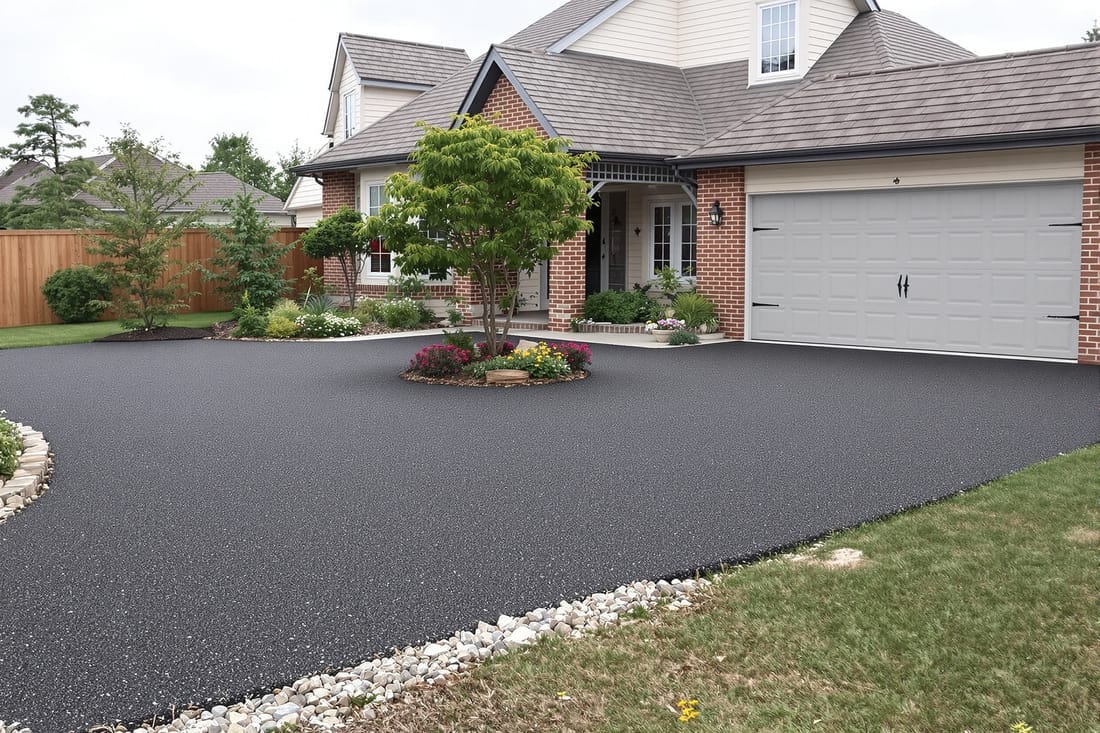
Tired of mud, dust, and ruts from your gravel drive. Our gravel to asphalt driveway conversions in Garland, TX create a clean, smooth surface that is easy to maintain. We improve drainage, compact the base, and install quality asphalt so you can enjoy a reliable entrance to your home in any weather.
Precision Asphalt Garland provides professional gravel to asphalt driveway throughout Garland, TX, Texas and the surrounding area. Our licensed, insured crew delivers safe, clean, on-time work with a free estimate before anything begins. Call (469) 949-1928 or request your free quote.
Gravel-to-Asphalt Driveways in Garland, TX
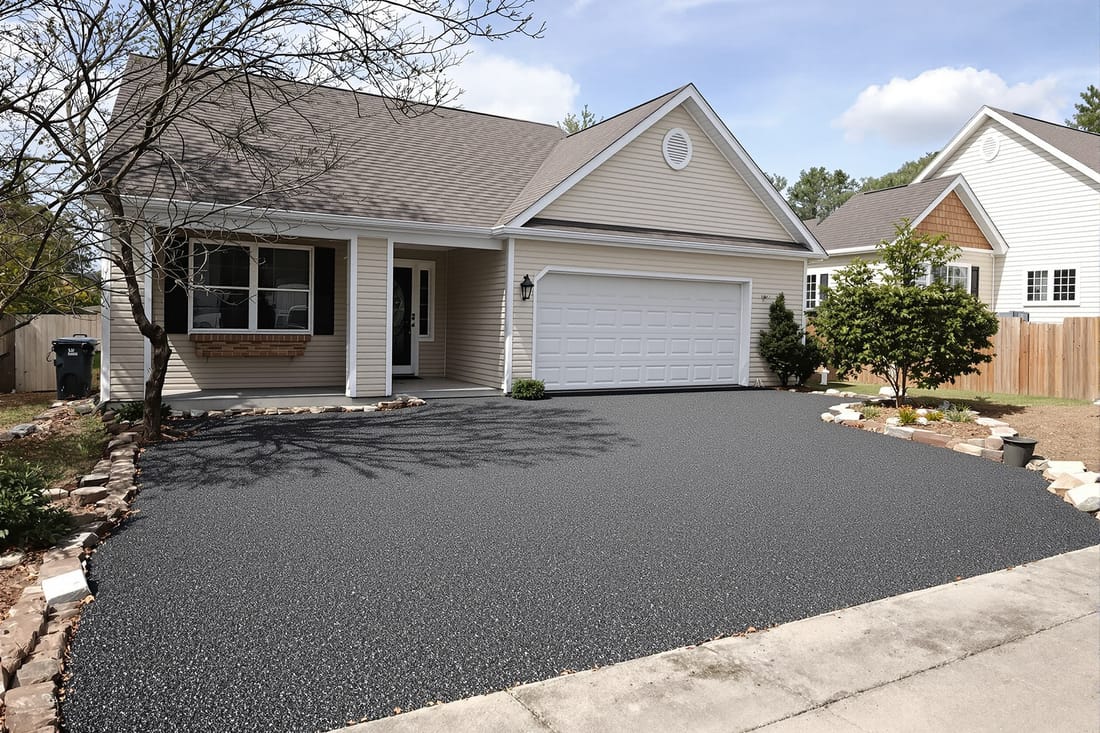
Loose gravel might be fine for light country use, but in neighborhoods across Garland it often means dust in the summers, mud in the winters, and ruts after every heavy rain. Precision Asphalt Garland focuses on turning those high-maintenance gravel drives into smooth, durable asphalt driveways that match how people really use their property today.
When we convert a gravel surface to asphalt, we look first at how you use the driveway. Do you park a work truck or trailer on it, or is it mainly for cars and light pickups? Does water pool after a storm, or does it run off toward the street? These questions matter, because the right gravel-to-asphalt design in Garland depends on load, drainage, and your city or county connection point at the street.
Our team lives and works in this area, so we design your driveway around Garland soil conditions, local drainage patterns, and neighborhood expectations. We are familiar with the heavy clay pockets that hold water and the way summer heat can stress poorly built driveways. With that knowledge, we build a conversion plan that aims for long-term performance instead of a quick thin overlay that will not last.
Site Evaluation and Planning Before We Pave
Every gravel-to-asphalt driveway project with Precision Asphalt Garland starts with a site visit. We do not quote these conversions by phone because what is under your gravel makes a big difference. During the visit, we walk the full length of your driveway, look at slopes, check for soft spots, and note where water currently flows.
We typically dig small test spots to see how thick the existing gravel layer is and what is beneath it. In many Garland driveways, there is a thin layer of mixed gravel and soil sitting on expansive clay. If we find that, we will likely recommend excavating to a certain depth and rebuilding the base with road base aggregate so your asphalt will not flex and crack later.
We also look at how your driveway meets the street or alley. Garland has specific requirements for approaches and, in some cases, right of way and sidewalk transitions. If your gravel has slowly crept into the street edge, we will plan a clean, code-compliant transition so your new asphalt driveway blends smoothly with city pavement and does not create a lip that can catch vehicles or trap water.
How We Convert Gravel to Asphalt Step by Step
Once we have a plan in place, Precision Asphalt Garland follows a clear construction process so your gravel-to-asphalt conversion is predictable and well built.
First, we strip loose gravel, vegetation, and any soft topsoil. Usable gravel is often regraded and compacted into the base, which can save on material costs. If the existing gravel is too thin or contaminated with soil, we haul in fresh road base aggregate and spread it to the designed thickness.
Next, we shape the driveway to establish a crown (high point in the middle) or a defined cross-slope so water will shed to the sides. Proper drainage is critical in Garland because our heavy rains can find every low spot. We use motor graders or skid steers along with string lines or laser levels to set these slopes.
Then we compact the base with vibratory rollers until it reaches the right density. On smaller residential driveways, this may be a double drum roller, while longer or wider drives may require heavier compaction equipment. If the base pumps under the roller or shows tire ruts, we correct that before moving to asphalt.
Once the base is ready, we install a tack coat where needed, especially at tie-in points, then place hot mix asphalt using a paver for even thickness. Workers follow behind to fine tune edges by hand where the machine cannot reach. Finally, we compact the asphalt in several passes, watching closely for cold joints and roller marks, so the finished surface is tight and uniform.
Driveway Design Options and Thickness Choices
Not every gravel-to-asphalt driveway needs the same construction. Precision Asphalt Garland helps you choose options based on how the driveway is used and what look you want.
For light residential use, such as cars and half ton pickups, we usually recommend a base layer of compacted aggregate in the 4 to 6 inch range with 2 to 3 inches of hot mix asphalt on top. For heavier use, like work trucks, RVs, or frequent trailer traffic, we often increase both base depth and asphalt thickness and may suggest a stronger mix design.
You can also choose how the edges of the driveway are finished. A simple feathered edge into the surrounding soil is most common and cost effective in Garland neighborhoods and county areas. If you are concerned about crumbling edges, especially near ditches or tight turns, we can widen the base and provide a stronger shoulder or recommend concrete ribbon edges where appropriate.
For long rural-style drives that start at the county road and run back to a home or shop, we may suggest asphalt only in the front section near the street and around parking areas, leaving the back portion as improved gravel. This hybrid approach controls dust and mud where you spend the most time while managing costs on long distances.
What Affects the Cost of Converting Gravel to Asphalt
Homeowners often ask why two gravel-to-asphalt driveway quotes can look so different. Precision Asphalt Garland breaks down our pricing clearly so you can compare more than just the final number.
The biggest cost drivers are the condition of your current gravel base, the thickness of base and asphalt required, access for equipment, and total square footage. A driveway that already has 4 to 6 inches of clean, well compacted gravel may need far less excavation and imported base than one with only a thin loose layer. That difference can shift the cost substantially.
Driveways with poor access, such as tight fences, low tree limbs, or no good turn-around for trucks, also influence pricing because they slow production and can require smaller loads or extra labor. Steep slopes or areas that hold water may need underdrains, ditch adjustments, or additional grading, which we will point out during the estimate.
We also account for local factors like Garland traffic patterns and haul distances from the asphalt plant on the day of your project. Since hot mix has to arrive at the right temperature, longer hauls or traffic delays can affect how much crew time we budget. We plan around these realities rather than hoping they will not matter, so you are less likely to face surprise change orders.
Handling Common Problems in Garland Driveways
Converting gravel to asphalt in Garland brings out a few recurring challenges that we address directly.
One common issue is soft spots where vehicles have been spinning tires for years or where water from roof downspouts or yard runoff has soaked the subgrade. We identify these areas during the evaluation, dig them out as needed, and rebuild them with compacted aggregate so they do not telegraph through your new asphalt as dips or cracks.
Another local concern is drainage near the street. Many Garland homes have shallow ditches or low curbs. If the driveway slopes toward the house, we may recommend small swales, adjustments to existing ditches, or a different driveway elevation so stormwater flows where it should instead of toward your garage.
Tree roots can also create long term problems. On older properties, roots may be running just under the gravel surface. We work with you to decide whether limited root cutting, minor alignment changes, or in some cases partial root barriers make sense before paving. Our goal is to balance tree health with a stable driveway surface that will not heave in a few years.
What to Expect Before and After Your Conversion
When you schedule a gravel-to-asphalt driveway project with Precision Asphalt Garland, we outline the timeline up front so you can plan around it. Most residential conversions take 1 to 3 working days depending on length, complexity, and weather.
Before work begins, we ask you to move vehicles, trailers, and portable basketball goals, and to mark private utilities like sprinkler lines or landscape lighting if you know where they are. We call in 811 for public utility locates when needed. If there are HOA guidelines about work hours or street parking, let us know and we coordinate around them.
After paving, we usually recommend keeping vehicles off the new asphalt for at least 24 hours, longer in cooler or very humid conditions. You can walk on it sooner, but sharp objects and kickstands should be kept off the surface initially. In the first few months, we advise against parking heavy vehicles in the exact same spot every day and suggest avoiding tight turning of steering wheels while stationary to prevent scuffing.
We walk the driveway with you at the end of the job, explain how to handle any edges that meet grass or landscaping, and discuss future maintenance like sealcoating timelines. Our goal is that when we leave, you understand exactly what was done beneath the surface, what to watch for over time, and who to call if a question comes up years down the road.