Home › Asphalt Resurfacing & Overlays
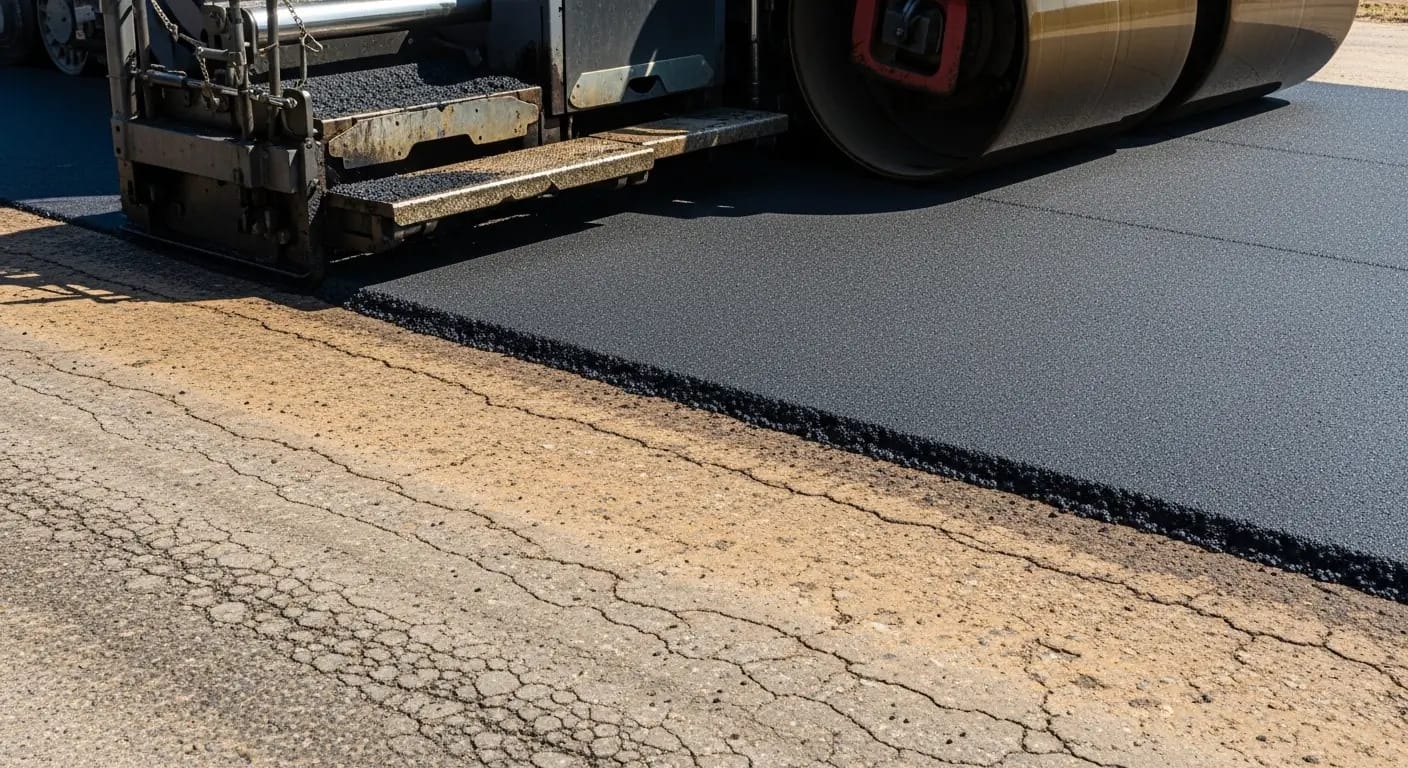
Refresh your worn driveway with professional asphalt resurfacing in Garland, TX. We repair underlying issues, then apply a smooth asphalt overlay that extends pavement life without full replacement. Our team evaluates your surface, recommends the right overlay solution, and delivers a like-new finish at a cost-effective price.
Precision Asphalt Garland provides professional asphalt resurfacing throughout Garland, TX, Texas and the surrounding area. Our licensed, insured crew delivers safe, clean, on-time work with a free estimate before anything begins. Call (469) 949-1928 or request your free quote.
Asphalt Resurfacing & Overlays in Garland, TX
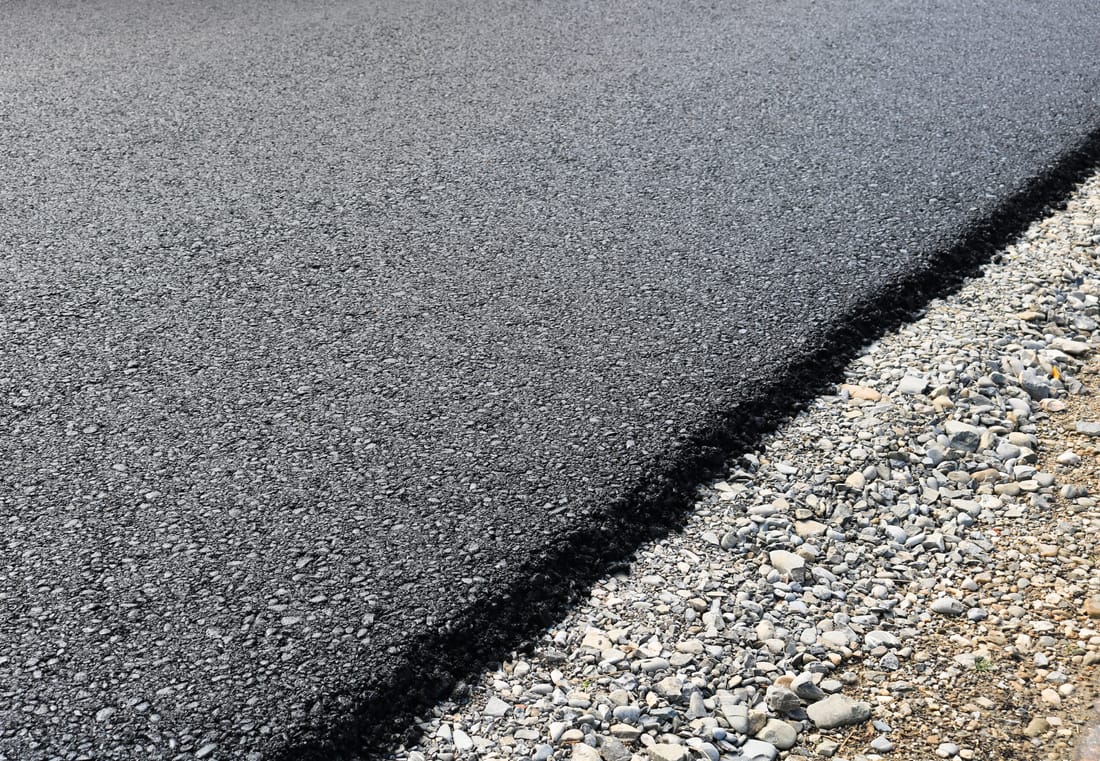
If your driveway, parking lot, or private street in Garland looks worn, but the base is still solid, asphalt resurfacing can bring it back to life without paying for a full tear out. At Precision Asphalt Garland, we specialize in overlays that add new strength and smoothness on top of your existing pavement so you can extend its life by 8 to 15 years when conditions are right.
Resurfacing is ideal when you see issues like shallow potholes, surface cracking, ruts, and fading, but no large soft spots or major sinking. In Garland, we often recommend asphalt resurfacing for older commercial lots along main corridors like Broadway and Belt Line, HOA streets, church parking lots, and long residential driveways that have held up structurally but look rough or patchy.
Our goal is to give you an honest assessment. If we inspect your pavement and see that the base is failing or the asphalt has broken all the way through in many areas, we will tell you that resurfacing is not the right choice and explain your options. When resurfacing is a good fit, it is one of the most cost effective ways to get a clean, fresh, blacktop surface that looks new, drains better, and is easier to maintain.
How We Evaluate Your Pavement Before Resurfacing
Every successful asphalt resurfacing project in Garland starts with a careful inspection. We do not simply show up and pave. A crew leader from Precision Asphalt Garland walks your property, checks the surface, and looks for warning signs that might make an overlay fail early.
We look for: (1) The number and pattern of cracks. A few scattered cracks can be repaired. Alligator cracking (tight, interconnected cracks that look like a reptile pattern) usually means base problems. (2) Depressions and standing water after rain. In Garland clay soils, areas that hold water often point to soft base material that needs more than a thin overlay. (3) Previous patches and utility cuts. Older cold patches or poorly compacted repairs need to be milled or rebuilt so they do not reflect through the new layer.
We also ask how the pavement is used. A small Garland driveway with cars only can accept a different overlay thickness than a truck route behind a shopping center or a dumpster pad where heavy garbage trucks turn. We factor traffic type, traffic volume, and turning movements into our resurfacing plan.
After the inspection, we discuss what we found in plain language, show you specific problem areas, and explain whether resurfacing alone is appropriate, or if we recommend a combination of base repair, milling, and overlay. This up front evaluation is what protects you from paying for an overlay that looks good for a year then starts cracking again.
Step by Step: Our Asphalt Resurfacing & Overlay Process
When you choose Precision Asphalt Garland for asphalt resurfacing, you will see an organized process from start to finish. We coordinate around your schedule to reduce downtime for your customers or residents.
1. Surface cleaning and prep. We start by power sweeping and, if needed, pressure cleaning the pavement so dust, loose rock, and debris are removed. Oil spots are scrubbed and treated with a special primer to help the new asphalt bond.
2. Milling high spots and transitions. In many Garland parking lots, concrete approaches, drains, or garage entries limit how high we can build up the surface. We use a milling machine to grind down high spots, especially at tie in points like street connections, ADA ramps, and gutter lines. This prevents a “lip” that could trip pedestrians or catch snow plows in winter.
3. Structural repairs. Before placing an overlay, we cut out and rebuild any areas with deep potholes, severe alligator cracking, or soft base. This can involve removing several inches of asphalt, recompacting the base, and installing new base rock if needed.
4. Tack coat application. We spray a tack coat, a thin layer of asphalt emulsion, over the prepared surface. This tack acts like glue between the old pavement and the new overlay so they move together under traffic instead of sliding apart.
5. Laying the new asphalt. We place hot mix asphalt using a self propelled paving machine for larger areas, and hand tools where detail work is required. Typical overlay thickness in Garland ranges from 1.5 to 2.5 inches, depending on traffic loads and existing conditions.
6. Compaction and finishing. Steel drum and pneumatic rollers compact the new mat while it is still hot. Multiple passes are made to reach proper density, which is what gives the overlay its strength and smooth ride.
7. Striping and cleanup. Once the pavement has cooled and is ready to reopen, we re stripe parking stalls, fire lanes, and ADA markings as needed. We remove cones and barricades, pick up debris, and leave the site clean and ready for use.
Overlay Thickness, Mix Types, and Options for Garland Properties
Not every asphalt overlay is the same. The right choices for your Garland property depend on how the surface will be used, your budget, and how long you want the repair to last. Precision Asphalt Garland will walk you through the options instead of giving a one size fits all solution.
Overlay thickness: For light duty driveways and small lots with only passenger vehicles, a 1.5 inch overlay may be sufficient once the base issues are corrected. For commercial parking lots with delivery trucks, school drives, or roads serving industrial areas in Garland, we often recommend 2 to 3 inches of new asphalt, sometimes placed in two lifts to improve compaction and performance.
Mix types: Most overlays use hot mix asphalt with a dense graded aggregate for a smooth, durable surface. In shady, damp spots where algae and moisture can linger, we may suggest mixes that shed water more effectively. Where turning movements are heavy, such as near loading docks or at entrances to busy centers, we may use a mix design with higher stability to resist shoving and rutting.
Leveling course: On older pavements with dips or a lot of patchwork, we can place a thin “leveling course” first. This is a thin layer of asphalt used to even out ruts and birdbaths so the final overlay is uniform and drains properly.
Edge and drainage details: Around curbs, fences, and garage slabs, we adjust overlay height so that water still flows to the intended drains and does not run toward structures. In Garland’s heavy rains, poor drainage can quickly damage asphalt, so this detailing is not optional, it is central to a lasting project.
What Affects the Cost of Asphalt Resurfacing in Garland
Customers often want to know why one resurfacing quote is higher or lower than another. The price of asphalt resurfacing in Garland is driven by more than just square footage.
Key cost factors include: (1) Thickness of the overlay. A 2.5 inch overlay uses significantly more asphalt than a 1.5 inch overlay, and material is one of the largest components of cost. (2) Amount of base repair. If your lot has many soft spots or large potholes that require full depth patching, that adds labor, rock, and asphalt before we even place the overlay. (3) Milling and transitions. Areas that need machine milling, such as tight transitions to city streets, gutter pans, and concrete approaches, add equipment time and disposal costs.
Access and layout also play a role. Open, unobstructed areas are more efficient to pave than small, broken up spaces with islands, landscaping, and tight turns. In older Garland neighborhoods with limited access, the crew may need more handwork, which is more labor intensive.
Scheduling can matter too. For retail centers or medical offices where work must be done overnight or in carefully phased sections to keep traffic flowing, we factor in additional mobilizations and traffic control. While these details can increase the price, they are often necessary to avoid disrupting your business or residents.
At Precision Asphalt Garland, we provide itemized estimates that show the major components of your resurfacing project. This lets you see where your money is going and helps you make informed choices about thickness, phasing, and any nice to have extras like additional striping or added parking stalls.
Common Garland Asphalt Problems and How Resurfacing Helps
Pavement in Garland deals with a tough combination of hot summers, occasional freezing nights, and clay soils that expand and contract. These conditions create predictable problems that we see over and over when we arrive to quote asphalt resurfacing.
Sun and heat cause oxidation, which makes the asphalt binder brittle. You may notice your once black asphalt has turned a light gray and fine surface cracks have started to appear. If these are treated early, resurfacing can seal off the old oxidized layer and give you a fresh, flexible surface above it.
Water intrusion is another major issue. When rainwater from summer storms sits in low spots or seeps through open cracks, it weakens the base. In areas where the base is still mostly sound, we can cut out the worst spots, repair them, and then overlay the rest. The new overlay, when combined with good crack sealing and regular maintenance, slows down further water damage.
Reflective cracking, where old cracks reappear through a new overlay, is a concern that we plan for. We reduce this by routing and sealing larger cracks before resurfacing, installing a leveling course where needed, and sometimes using reinforcing fabrics in specific trouble areas. While no overlay can guarantee zero reflective cracking, these steps greatly increase your odds of a long lasting surface.
For commercial properties with heavy truck activity, rutting and shoving at stop signs and drive entrances are common. In many of these cases, we remove and rebuild the most heavily loaded sections with stronger mixes and thicker pavement, then overlay the surrounding areas to provide a uniform look and consistent ride.
What To Know Before You Schedule Asphalt Resurfacing
Before you decide to resurface, it helps to know what to expect. Precision Asphalt Garland will discuss timing, traffic control, and curing with you so there are no surprises.
In most cases, we recommend keeping vehicles off a new overlay for at least 24 hours, and sometimes longer during cooler or very hot conditions. Foot traffic can usually return sooner, but we will give you specific guidance for your project. For busy Garland businesses, we often schedule work in phases so part of the lot remains open while another section cures.
We will talk through access for delivery trucks, trash pickup, school drop off, or any other regular traffic patterns on your property. In some cases, we coordinate with the City of Garland when work is near public streets, especially if lane closures or detours may be needed.
You should also know what maintenance will help protect your investment. Within the first year or two, we often recommend a quality sealcoat on resurfaced pavements that see regular traffic and sun exposure. Keeping cracks sealed and avoiding heavy, stationary loads at the edges of the pavement will also extend the life of the overlay.
If you are not sure whether resurfacing is right for your Garland property, the simplest next step is to schedule an on site evaluation. We will review your pavement, talk about how it is used, and explain whether an asphalt overlay, partial reconstruction, or another solution is the best fit for the long term.