Home › Commercial Gravel-to-Asphalt Conversions
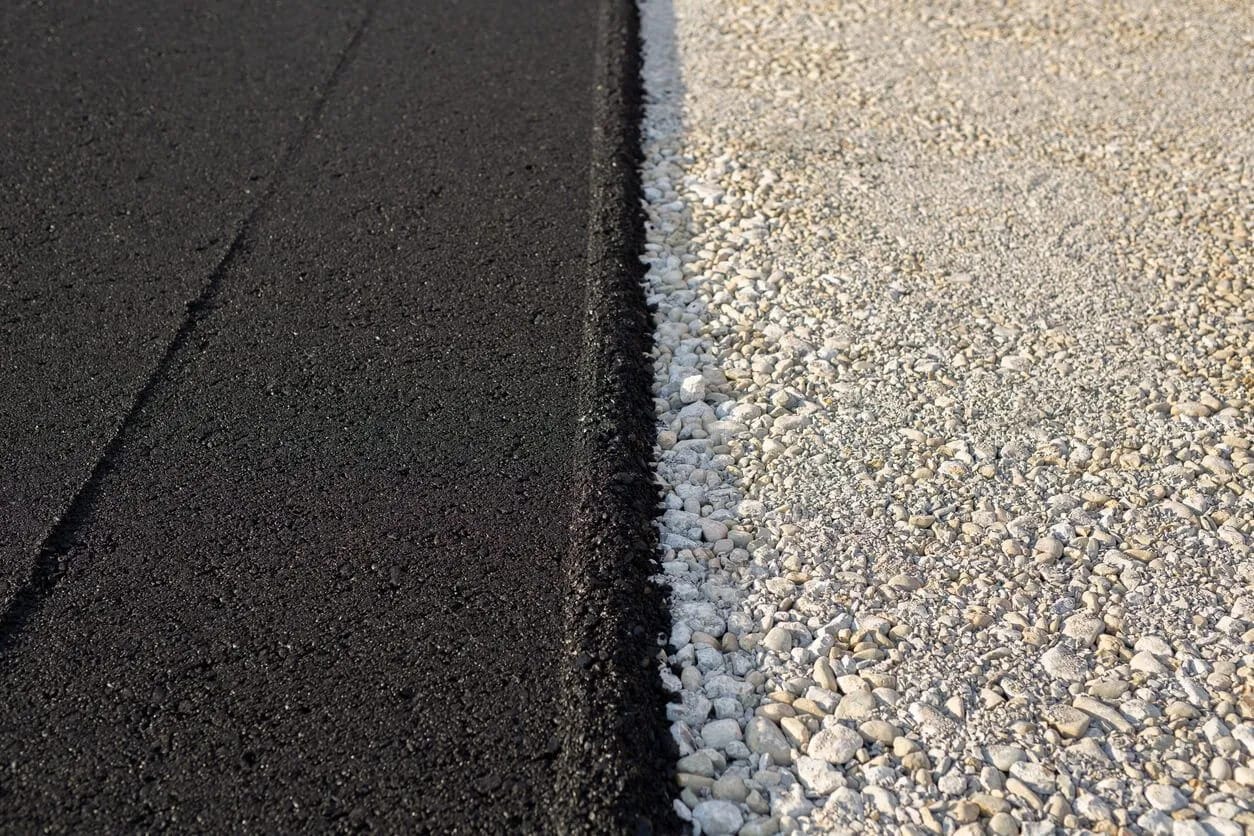
Upgrade your property with commercial gravel to asphalt conversions in Garland, TX. We transform dusty, uneven gravel lots and drives into smooth, professional asphalt surfaces. Our crew evaluates drainage, strengthens the base, and installs durable asphalt that reduces maintenance and improves customer experience.
Precision Asphalt Garland provides professional commercial gravel to asphalt throughout Garland, TX, Texas and the surrounding area. Our licensed, insured crew delivers safe, clean, on-time work with a free estimate before anything begins. Call (469) 949-1928 or request your free quote.
Turn Your Gravel Lot Into a Reliable Asphalt Surface
If you are tired of dust, ruts, and constant grading on your commercial gravel lot, a commercial gravel to asphalt conversion can give you a cleaner, safer surface that holds up to Garland traffic and weather. Precision Asphalt Garland focuses on turning existing gravel areas into properly built asphalt parking lots, drives, and service areas that meet commercial use needs.
Garland, TX properties deal with heavy summer heat, quick storms, and clay soils that move when they get wet. A simple overlay on top of loose gravel will not last here. Our crew evaluates your existing base, drainage, and traffic patterns first, then designs a section that fits delivery trucks, customer vehicles, or equipment specific to your site.
For local businesses, a well built asphalt lot is more than looks. It affects how delivery trucks turn, where water drains during a storm, and how safe the surface is for customers walking from the parking stall to the front door. Precision Asphalt Garland tailors each gravel to asphalt project so your lot functions the way you actually use it.
How a Commercial Gravel-to-Asphalt Conversion Actually Works
Converting commercial gravel to asphalt starts with a site walk. We check gravel depth, soft spots, standing water, and how traffic flows in and out. On Garland clay soils, we pay close attention to areas that stay wet after a rain, since those are the locations that will cause future potholes if not corrected.
Step 1 is grading and shaping the existing gravel. We rework the stone with motor graders and compactors to create a consistent slope, usually at least 1 to 2 percent so water moves toward planned drainage points instead of sitting in the middle of your lot.
Step 2 is building or correcting the base. If your gravel is too thin or contaminated with dirt, we add crushed limestone or recycled concrete base and compact it in layers with vibratory rollers. In some high load areas, such as dumpster pads or truck loading zones, Precision Asphalt Garland may recommend a thicker base section or stabilization with fly ash or cement to prevent rutting.
Step 3 is fine grading. We tighten up the surface, cut out weak areas, and compact again to achieve a firm, smooth base. At this stage we check grades with lasers or levels to verify proper fall to inlets, ditches, or street gutters.
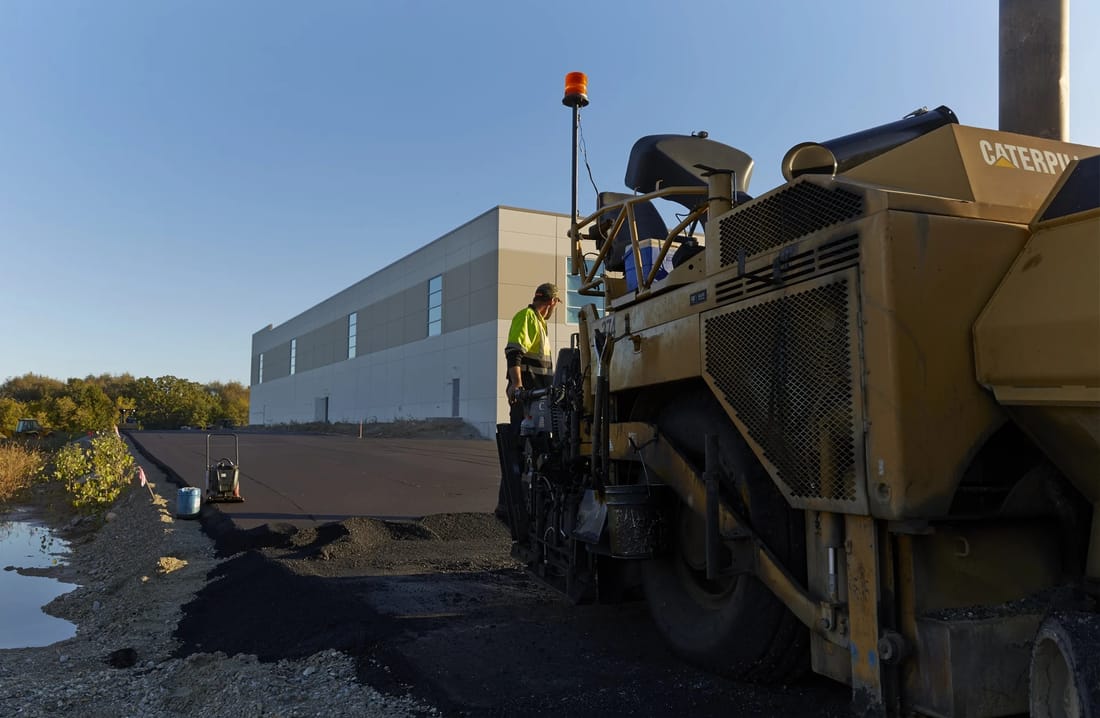
Step 4 is asphalt paving. For most commercial gravel to asphalt lots in Garland, we install 2 to 3 inches of hot-mix asphalt in one or two lifts, depending on traffic load. Heavier truck traffic may need 4 inches or more. Each lift is laid while hot and compacted with steel drum and pneumatic rollers to achieve a dense, uniform surface.
Step 5 is finishing details. Once the mat cools, we sawcut tie-in edges to existing pavement if needed, install ADA compliant ramps, and then stripe parking stalls, fire lanes, and directional arrows according to your layout and local codes.
Design Choices for Your New Asphalt Lot
With commercial gravel to asphalt projects, you are not locked into your current layout. Precision Asphalt Garland can adjust drive lanes, add parking rows, or improve truck turns during the conversion.
For example, if your gravel lot has informal parking and people park in random angles, we can design a striped layout with 9-foot stalls, proper drive lane widths, and marked crosswalks. If you have box trucks or 18 wheelers, we plan turning radii so they do not chew up edges or back into landscaped areas.
Material choices matter too. We can recommend a heavier asphalt mix at dock doors or dumpster enclosures where trucks twist and turn. In some cases, we pour small concrete pads at dumpster wheels or under compactors and tie them into the asphalt so your main lot lasts longer.
Drainage is one of the biggest design decisions in Garland. Our area gets short, heavy downpours, so we try to move water away from storefronts and entrances. That might mean building a slight crown in the center of a drive lane or installing additional area drains or flumes to concentrate water where it can safely exit the site.
We also talk about future maintenance while we design. A lot that is built with proper slope and base can be seal coated and crack sealed on a set schedule, instead of patched constantly. When Precision Asphalt Garland plans your gravel to asphalt conversion, we aim for a pavement structure that gives you a predictable maintenance plan instead of emergency repairs.
What Affects Cost and Timeline in Garland, TX
Every commercial gravel to asphalt project prices out differently because conditions under the gravel are rarely the same from one site to another. The biggest cost drivers are base quality, required thickness, drainage fixes, and site access.
If your existing gravel is deep, clean, and well compacted, we can often reuse much of it, which lowers cost. If we find soft subgrade, shallow gravel, or areas that were just spread over topsoil, we will need to undercut and replace with stable base material. That adds time and trucking but prevents repeated failures.
Thickness of asphalt and base also affects pricing. Light car traffic might only require 6 inches of base and 2 inches of asphalt. A busy retail center with delivery trucks may need 8 inches of base with 3 to 4 inches of asphalt. Precision Asphalt Garland will explain these options in terms of actual loads on your site so you can choose a structure that balances lifespan with budget.
Drainage corrections can be minor or major. Sometimes we solve problems with simple grading changes during the conversion. Other times, especially on older Garland properties, we may need to install or adjust inlets, build concrete flumes, or cut relief swales. These items are long term investments that keep you from constantly repairing water damage.
In North Texas, timing matters. The best paving window in Garland is typically October through May, when temperatures are workable but not extreme. We can pave in summer, but we plan shorter hauls and tighter compaction schedules because asphalt cools very fast on hot, windy days. For active businesses, we often phase work so parts of your lot stay open, paving sections at off hours or weekends to minimize disruption.
Common Problems and How Precision Asphalt Garland Handles Them
When converting gravel to asphalt, certain issues show up frequently. The key is dealing with them before the pavement goes down, not after.
Soft spots are one of the most common problems. During proof rolling, we run a loaded truck or roller over the prepped base and look for areas that deflect or pump. Those spots are cut out, dug deeper, and replaced with better material before we pave. Skipping this step is why some lots develop early potholes.
Another issue is poor drainage from nearby properties. For example, a neighboring site might shed water across your gravel. Once paved, that same water will still come, but now it can pond or erode edges if not managed. Precision Asphalt Garland looks at surrounding grades, not just your property line, and may recommend small berms, swales, or curb sections to redirect off-site water.
Access and staging can also challenge commercial jobs. If your business must stay open, we divide the lot into sections, set up clear temporary traffic paths, and coordinate with your staff about deliveries and customer parking. This planning is just as important as the paving work, because confusion on site can turn into safety problems.
Before you hire anyone for a commercial gravel to asphalt conversion, ask how they check base stability, how they plan drainage, and what mix design they use for your traffic type. A low price that ignores these items usually costs more later in repairs. Precision Asphalt Garland is always willing to walk your site, explain what we find in plain terms, and provide a written scope so you know exactly what is included in your project.