Home › Road, Street, and Municipal Paving
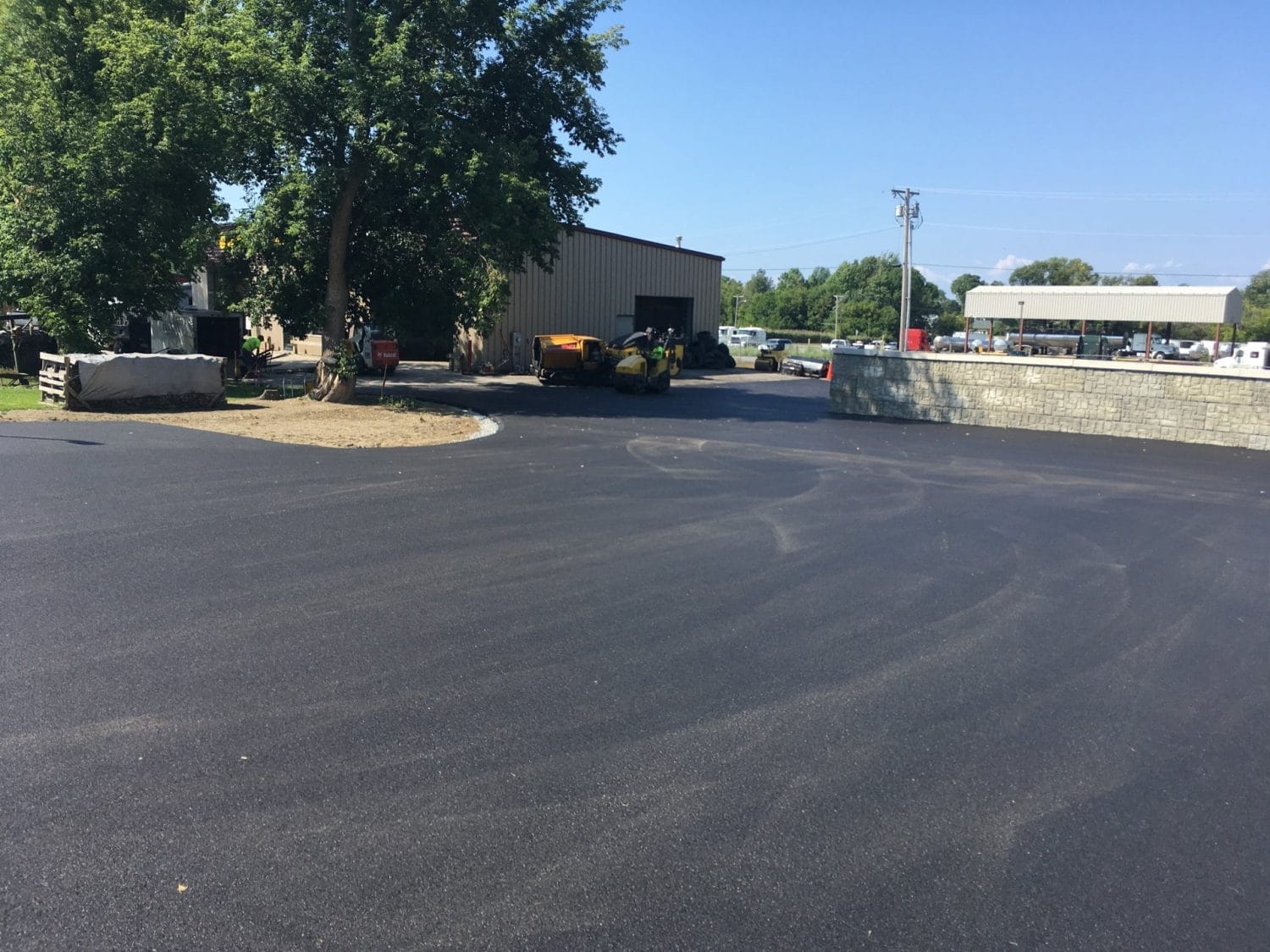
Partner with a reliable contractor for road paving in Garland, TX. We construct and resurface neighborhood streets, municipal roads, and HOA drives with durable asphalt built for traffic and weather. Our team handles milling, paving, and compaction to deliver smooth, safe roadways for the community.
Precision Asphalt Garland provides professional road paving throughout Garland, TX, Texas and the surrounding area. Our licensed, insured crew delivers safe, clean, on-time work with a free estimate before anything begins. Call (469) 949-1928 or request your free quote.
Reliable Road Paving for Garland and Nearby Communities
Precision Asphalt Garland focuses on road, street, and municipal paving that works for the way Garland is actually used. From neighborhood streets near Firewheel to busy cut-throughs and school zones, we build pavements that hold up to Texas heat, sudden storms, and daily traffic.
We understand that public streets are not just driving surfaces. They are school bus routes, emergency access paths, and walkable connections between homes, parks, and businesses. Our crews schedule work to reduce disruption, coordinate with city staff or project managers, and keep access open for residents and first responders whenever possible.
Because we are based in Garland, our team is used to local soil conditions, older utility corridors, and the specific requirements that come with working near TXDOT routes and city-maintained infrastructure. This local familiarity helps us plan better, avoid surprises, and complete paving projects on time and within budget.
How Our Road, Street, and Municipal Paving Process Works
Most road paving projects we handle in Garland follow a clear sequence so your street or roadway is safe, smooth, and long lasting.
1. Initial site review and measurement. We walk and drive the route, measure widths and lengths, note drainage patterns, and flag cracks, potholes, rutting, or base failure. We also look at curbs, gutters, and nearby driveways to understand how the new pavement will tie in.
2. Core samples and base evaluation. For heavier-use streets or problem areas, we may cut small core samples to see how thick the existing asphalt and base really are. This helps us decide whether milling and overlay is enough or if we need deeper base repairs.
3. Design and thickness selection. Using expected traffic type (cars only, buses, trash trucks, delivery trucks) and the condition of the existing structure, we set an appropriate asphalt thickness and mix design. Neighborhood streets typically get a different design than an industrial access road.
4. Milling, removal, and grading. Old asphalt is milled or removed, then hauled to an approved facility for recycling. We regrade the surface to direct water to inlets, culverts, or ditches, and we compact the base to the density required so the new pavement does not settle or rut.
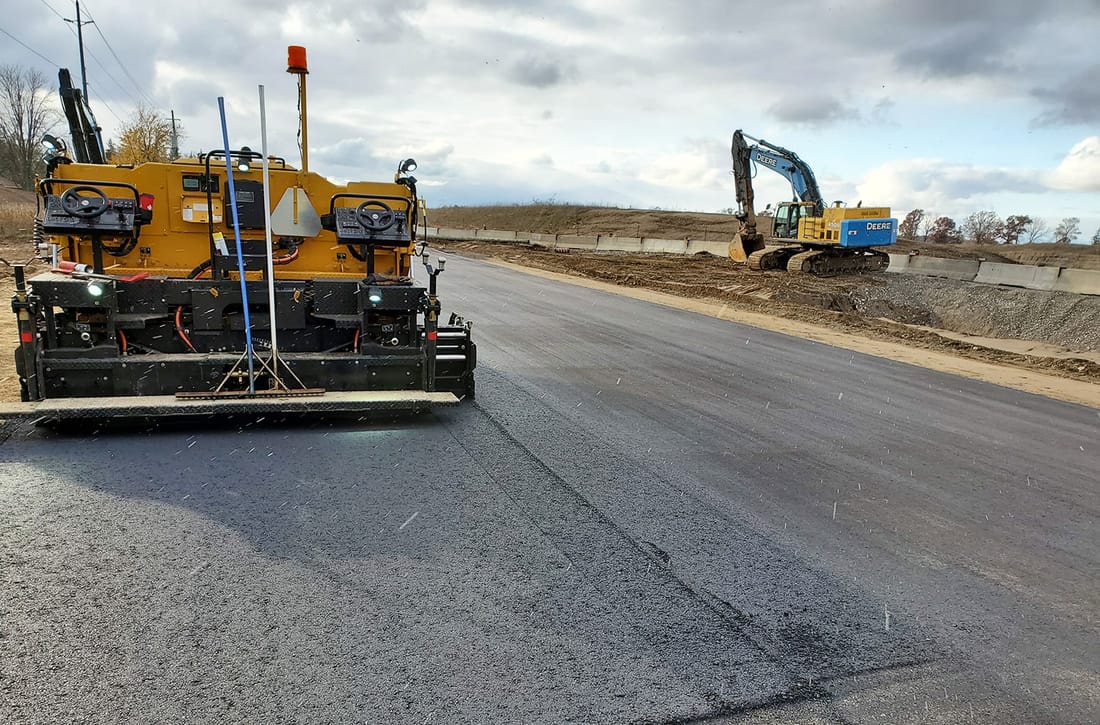
5. Installation of new asphalt. Hot mix asphalt is delivered from the plant, placed with a paver for a uniform mat, then compacted with vibratory and static rollers. We work within tight temperature ranges to get proper compaction, which is critical in Garland’s warm climate.
6. Final detailing. Joints are sealed, transitions to existing pavement are smoothed, and manhole covers, valve boxes, and inlets are adjusted to match the new surface height. If striping or signage is needed, we schedule it once the asphalt has cooled sufficiently.
With this process, we can give clear expectations to local agencies, HOAs, and property managers, and we can phase work so large areas remain functional while paving is completed in manageable sections.
Material Options and Mix Designs for Garland Roads
Not every road paving project needs the same asphalt. Precision Asphalt Garland matches materials to how the street will be used and the type of traffic it will carry.
For standard residential streets, we typically use a hot mix asphalt with a dense-graded aggregate that provides a good balance of durability, ride quality, and cost. In cul-de-sacs and tight neighborhood turns where vehicles scrub their tires as they turn, we may recommend a slightly tougher surface mix to resist shoving and raveling.
Collector streets and routes that see buses, garbage trucks, or frequent delivery trucks may need thicker sections or multiple asphalt layers. In some cases, we install a stronger base course mix first, then a finer surface course for smoothness and noise control. In areas with frequent starting and stopping, like at four-way stops or near signals, we can use mixes with higher quality aggregates to resist rutting.
For municipal parking lots adjacent to roads, or for streets near industrial areas, we may propose a heavier-duty design with improved base stabilization (for example, adding cement or lime treatment to local soils) so the pavement can handle concentrated or parked loads without deforming.
Because we work in Garland regularly, we know which local plants produce mixes that perform well in this climate, and we understand how the summer heat and winter temperature swings affect material choice.
What Drives the Cost of Road Paving in Garland
Road paving costs are influenced by more than just square footage. Understanding these factors helps city planners, HOAs, and private communities plan accurate budgets.
Existing condition and base health. If the underlying base is firm and draining well, we may only need to mill and overlay, which is more economical. If we find deep alligator cracking, ongoing pothole problems, or standing water, we budget for base repairs so the new pavement does not fail prematurely.
Thickness and traffic loads. Higher traffic volumes, bus routes, or regular heavy trucks require thicker asphalt and potentially a stronger base. Even an extra inch of asphalt across a long stretch of roadway can add up, so we calculate thickness carefully based on use, not guesswork.
Drainage and grading needs. Correcting long-standing drainage issues can require additional grading, new inlets, or reworking of ditches and culverts. While this adds cost, it prevents water-related failures that are common in our storm-heavy North Texas seasons.
Access and phasing. If a street must remain partially open, we may have to work in shorter segments or off-hours, which affects crew efficiency. In Garland neighborhoods, coordination with residents, schools, and trash pickup also plays a role in scheduling.
Material prices and haul distances. Asphalt is produced at regional plants and must be placed while hot. Fuel costs, plant distance, and current oil prices all influence the final price. Because we are local, we can choose plants and haul routes that keep costs competitive while meeting quality standards.
Common Roadway Problems We Solve in Garland
Many of the road and street issues we see in Garland show up again and again, especially on older pavements or on roads that have grown busier than they were designed for.
Alligator cracking and base failure. Spiderweb patterns in the asphalt usually signal that the structure beneath has weakened. Simply patching the surface will not last. We cut out affected areas, repair the base, compact it to spec, then repave so the failure does not return.
Rutting at stops and intersections. Deep grooves in wheel paths are often caused by heavy vehicles stopping or turning in hot weather. We address this by improving compaction methods and using more rut-resistant mixes where needed, especially along bus routes and major residential entrances.
Poor drainage and edge breakdown. Road edges that crumble or shoulders that hold water are common on older streets. We correct slopes so water sheds properly, stabilize or rebuild shoulders, and repair curbs or gutters so they direct runoff into inlets instead of under the pavement.
Reflective cracking from underlying concrete. In some parts of Garland, asphalt has been placed over older concrete streets. Cracks in the concrete often reflect through. We can use milling, crack relief layers, and joint reinforcement strategies to slow this process and extend overlay life.
By addressing these root causes, Precision Asphalt Garland helps local agencies and property managers get more life out of each paving dollar.
Local Knowledge That Protects Your Investment
Working in Garland and the surrounding cities gives us daily experience with the exact conditions your road paving project will face. We know which areas have expansive clay that needs better stabilization, which neighborhoods are prone to fast storm runoff, and where underground utilities are dense or shallow.
We stay familiar with city standards and typical details so our work connects smoothly with existing curb, gutter, and drainage structures. When we work on private streets, we still design to city-quality expectations so that if a street is ever dedicated to the city, it is already built to an acceptable standard.
Our crews are accustomed to working around schools, churches, and retail centers, where timing and access are critical. We coordinate paving phases to keep primary entrances available as much as possible, posting clear signage and maintaining safe paths for vehicles and pedestrians.
Because we live and work here, we know that a paving project is not just a construction job. It affects how your neighbors drive to work, how kids walk to school, and how emergency services reach your homes and businesses. That is why Precision Asphalt Garland treats every road as part of the community, not just another job ticket.
Planning Your Road Paving Project With Precision Asphalt Garland
If you are responsible for a road, street, or private municipal-style drive in Garland, the first step is a straightforward assessment. We can walk the project with you, discuss traffic patterns, look at drainage, and review any prior repair history to determine whether you need full reconstruction, extensive patching, or a mill and overlay.
We are comfortable working with city staff, engineers, HOAs, property managers, and facility directors. If you already have engineered plans, we will follow them and provide feedback if field conditions suggest adjustments. If you do not have plans, we can create a practical scope of work based on sound paving principles and local experience.
Before work begins, we provide a clear schedule, explain how access will be maintained, and outline what residents or tenants should expect during each phase. We also plan for inspection points, compaction testing if required, and coordination with striping and signage vendors.
Reach out to Precision Asphalt Garland to discuss your upcoming road paving needs. Whether you are resurfacing a short neighborhood street or planning improvements along a longer collector, we can help you build a pavement structure that fits your traffic, your budget, and Garland’s real-world conditions.